

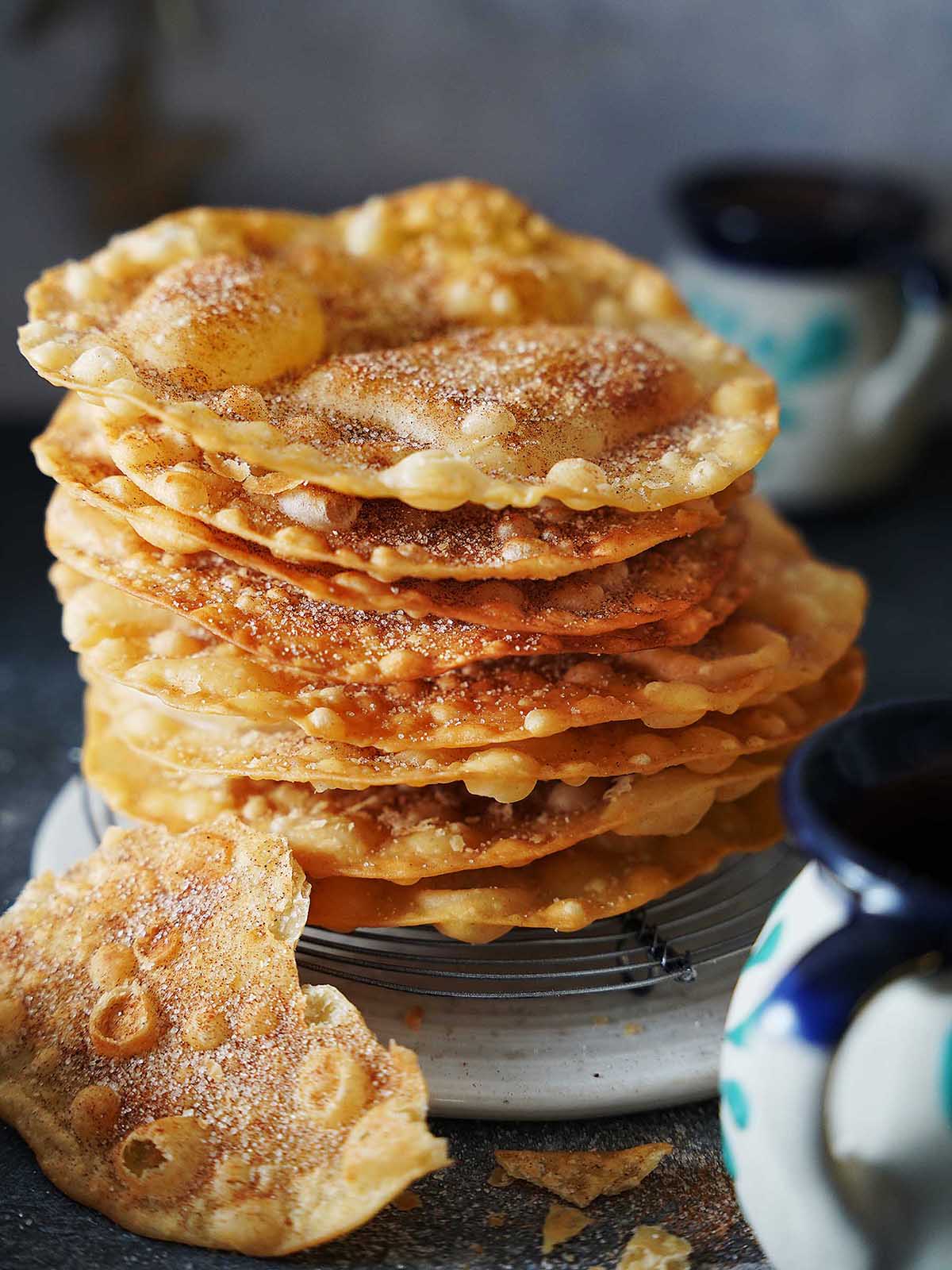
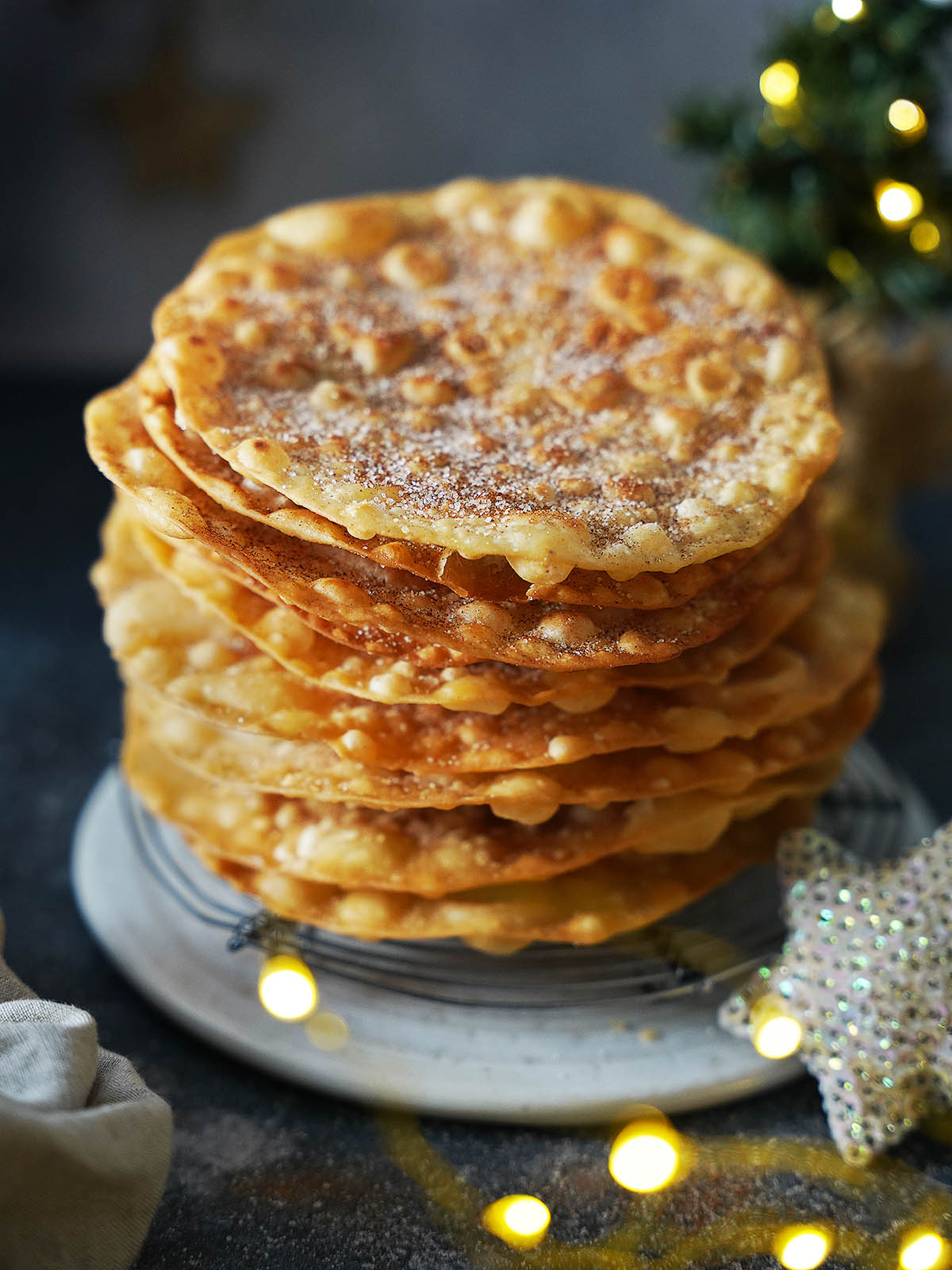
These Mexican Buñuelos are deliciously crispy, crumbly, and sweetened with lots of cinnamon sugar or piloncillo syrup. They’re one of those treats that are both nostalgic and so much fun to eat!
🗒️ In This Post
Buñuelos
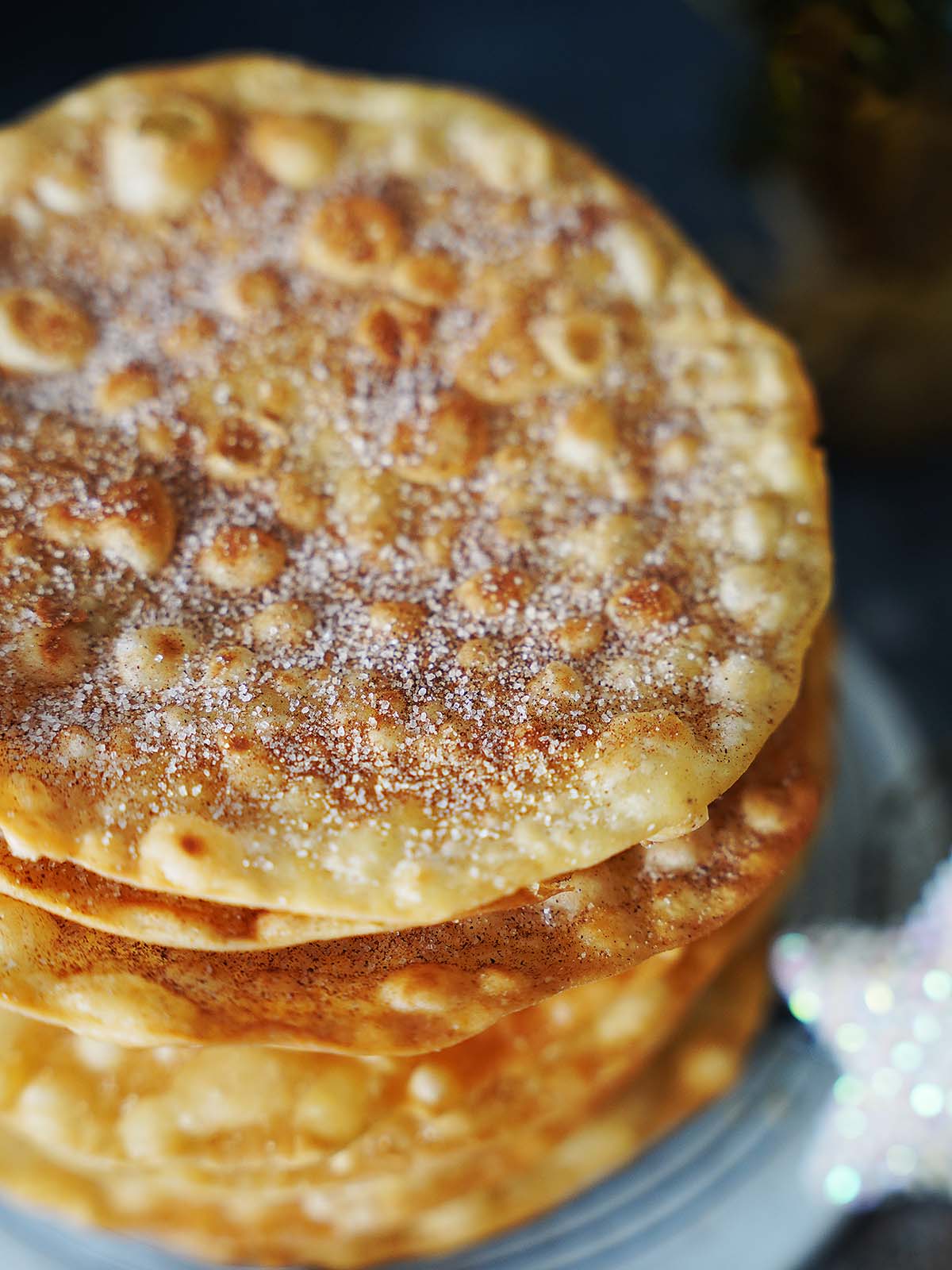
Buñuelos are the smell of my house every December. Thin, crispy rounds of fried dough, dusted warm in cinnamon sugar or drizzled with piloncillo syrup, they’re one of the things that makes a Mexican Christmas feel like Christmas. Crispy on the edges, a little crumbly in the middle, and genuinely hard to stop eating once the first batch comes out of the oil.
This is the flat, disk-style buñuelo, known as buñuelos de rodilla for the way the dough traditionally got stretched thin over a knee before rolling pins made that unnecessary. It’s the version most people picture when they hear the word, and it’s the one my family has always made.
A note on “authentic” buñuelos
Spend any time in the comments here and you’ll see someone say this isn’t the “real” recipe, that real buñuelos are just flour, salt, and water. That’s true for some regions and families, and not true for others, buñuelos vary a lot depending on where in Mexico (or which household) they come from. This flour-dough version, with a touch of butter, sugar, and vanilla worked in, is the buñuelos de rodilla style.
There’s a second traditional style, buñuelos de viento, made with a much thinner batter and a special rosette-shaped iron dipped in hot oil, common in northern Mexico. Some regions make a corn-tortilla-based version instead of a wheat dough entirely. All of these are legitimately traditional, they’re just different traditions. This one is mine, and it’s the one I grew up eating.

♥️ xo, Ana
Featured Comment
These are so delicious! And incredibly easy to make, it’s hard not to eat them all at once!”
Main Ingredients
- All purpose flour
- Baking powder
- Ground cinnamon
- Table salt
- Unsalted butter, margarine or vegetable shortening at room temperature
- Sugar
- Vanilla extract
- Canola or vegetable oil to fry
- A mix of cinnamon with sugar for dusting. They also taste amazing with Piloncillo Syrup.
Equipment needed:
- Frying pan
- Rolling Pin
- Large mixing bowl
**You’ll find the complete recipe and ingredient list in the card at the end.**

Did you know? There are 3 types of Buñuelos: 1) De Viento, 2) De Queso & 3) De Rodilla. Today we’re going to make Buñuelos De Rodilla.
How to Make Buñuelos (step by step)
Here are the photos of each step in case you’re a visual learner like me. With this guide, you’ll be a pro in no time!
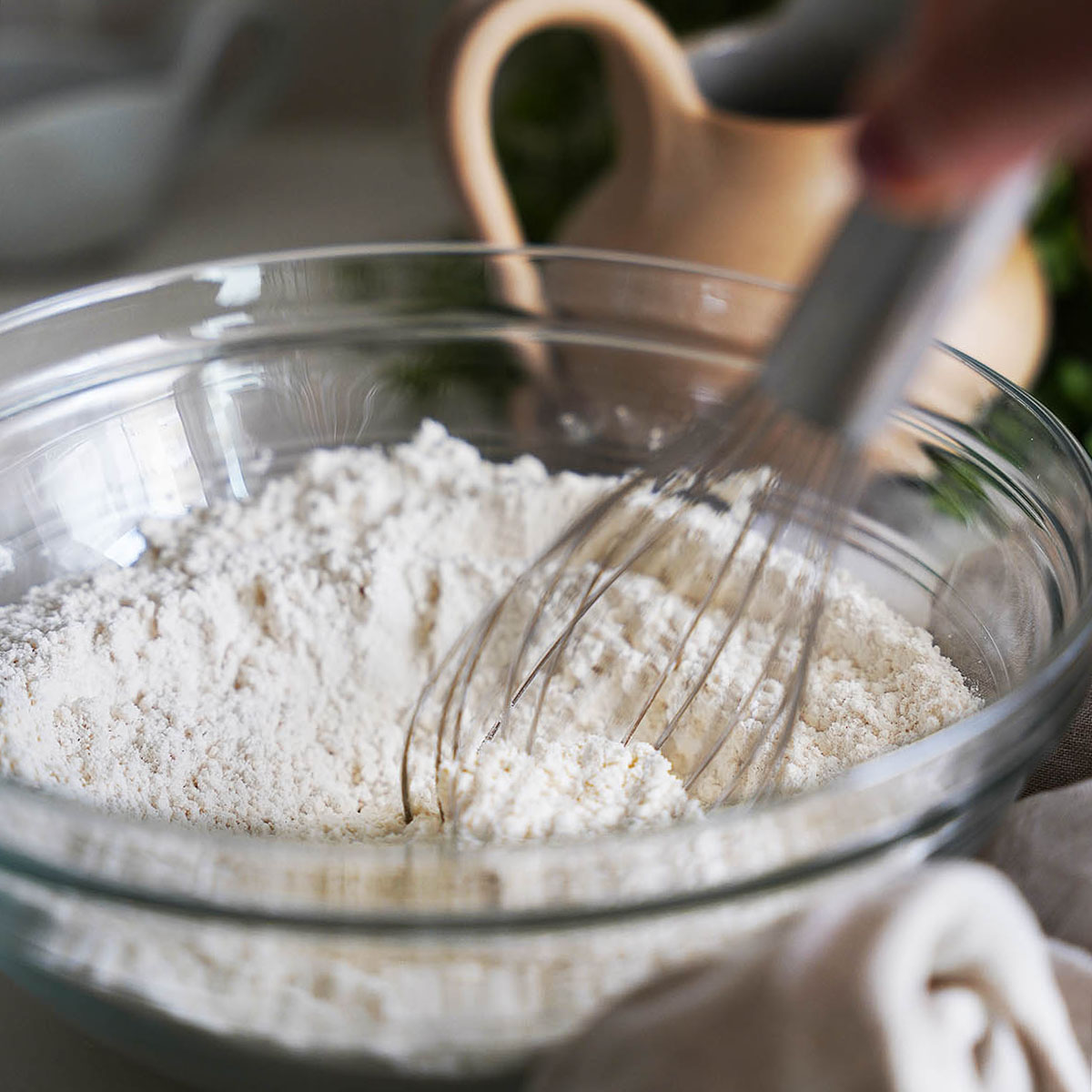
- In a large mixing bowl, add the flour, baking powder, salt and cinnamon and mix to integrate.
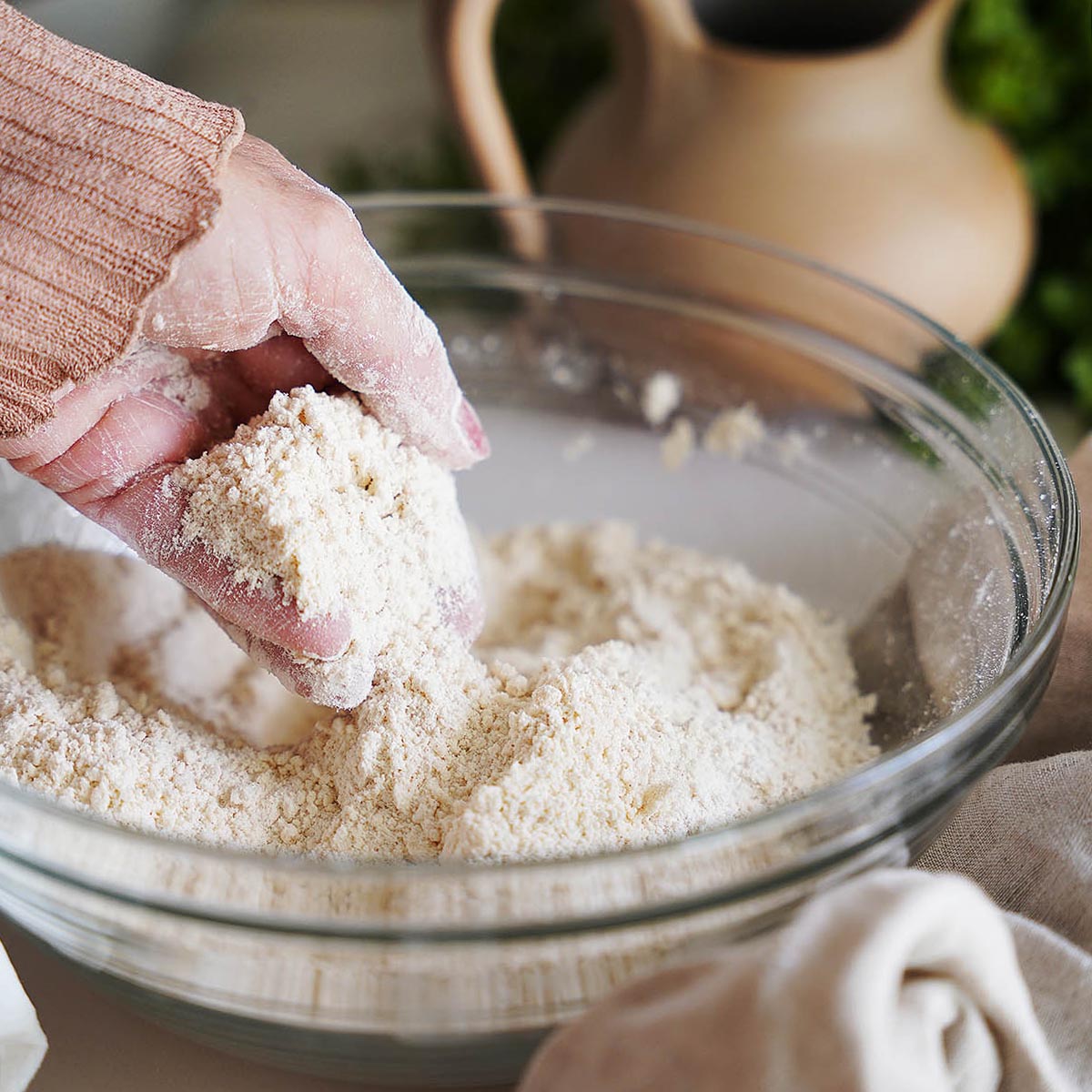
- Add the butter to the flour mixture and combine with your fingers until the mixture is crumbly.
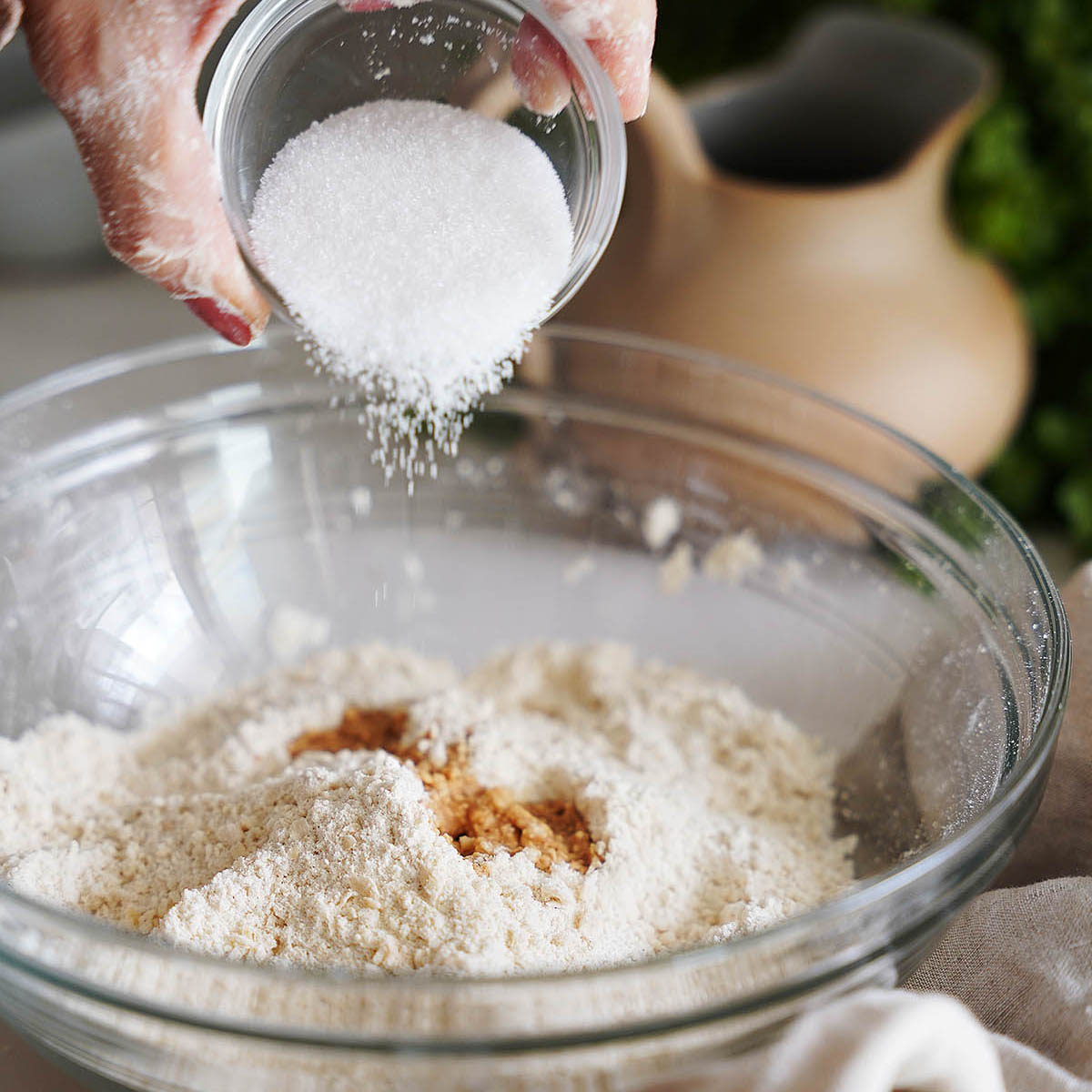
Add the sugar, vanilla extract and mix.
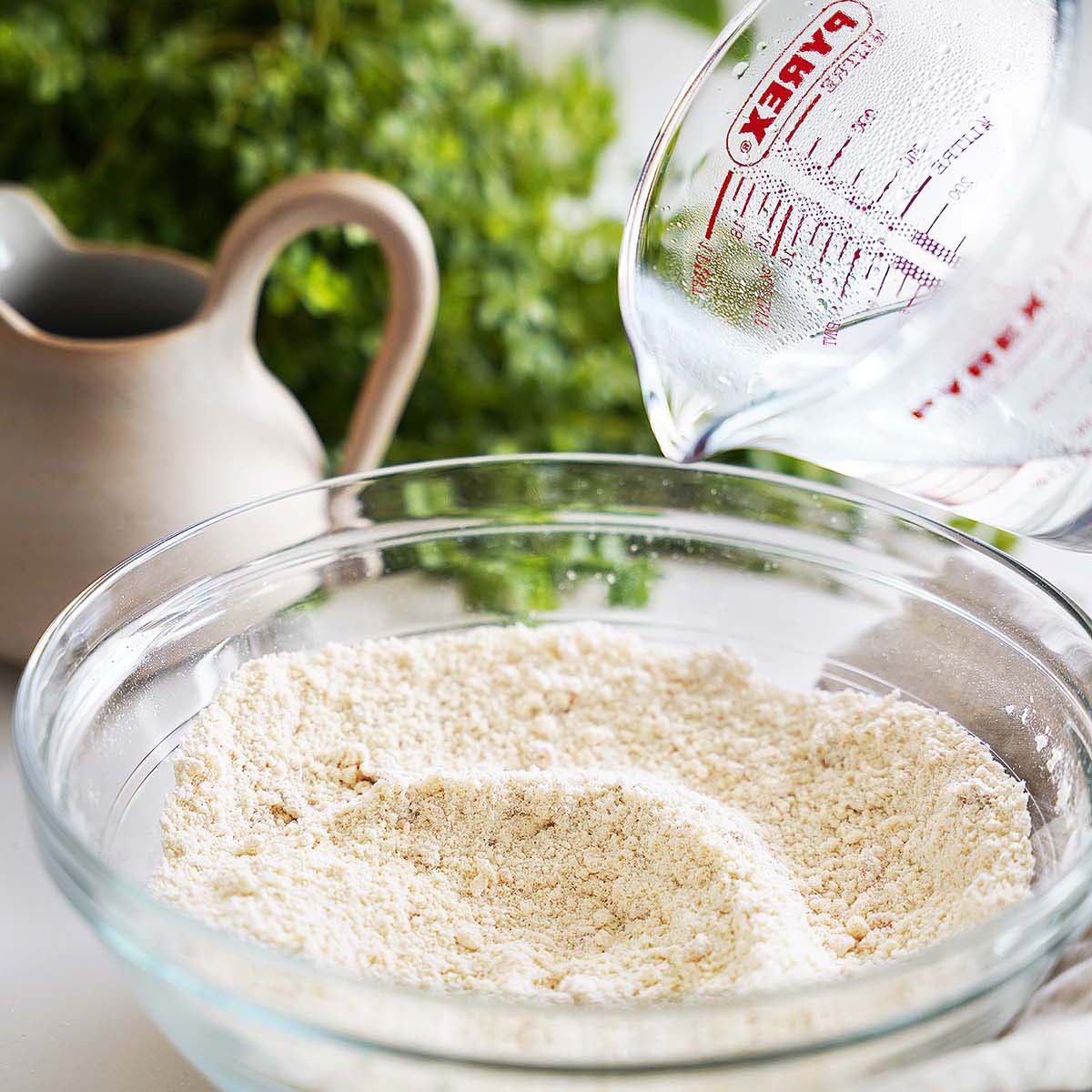
- Add water. Using your clean hands, mix well, until all dry ingredients are incorporated.

- Using your clean hands, mix well, until all dry ingredients are incorporated and the dough begins to come together and form a smooth ball.
- Turn dough out onto a lightly floured work surface and knead for 5-6 minutes until the dough is nice and smooth.
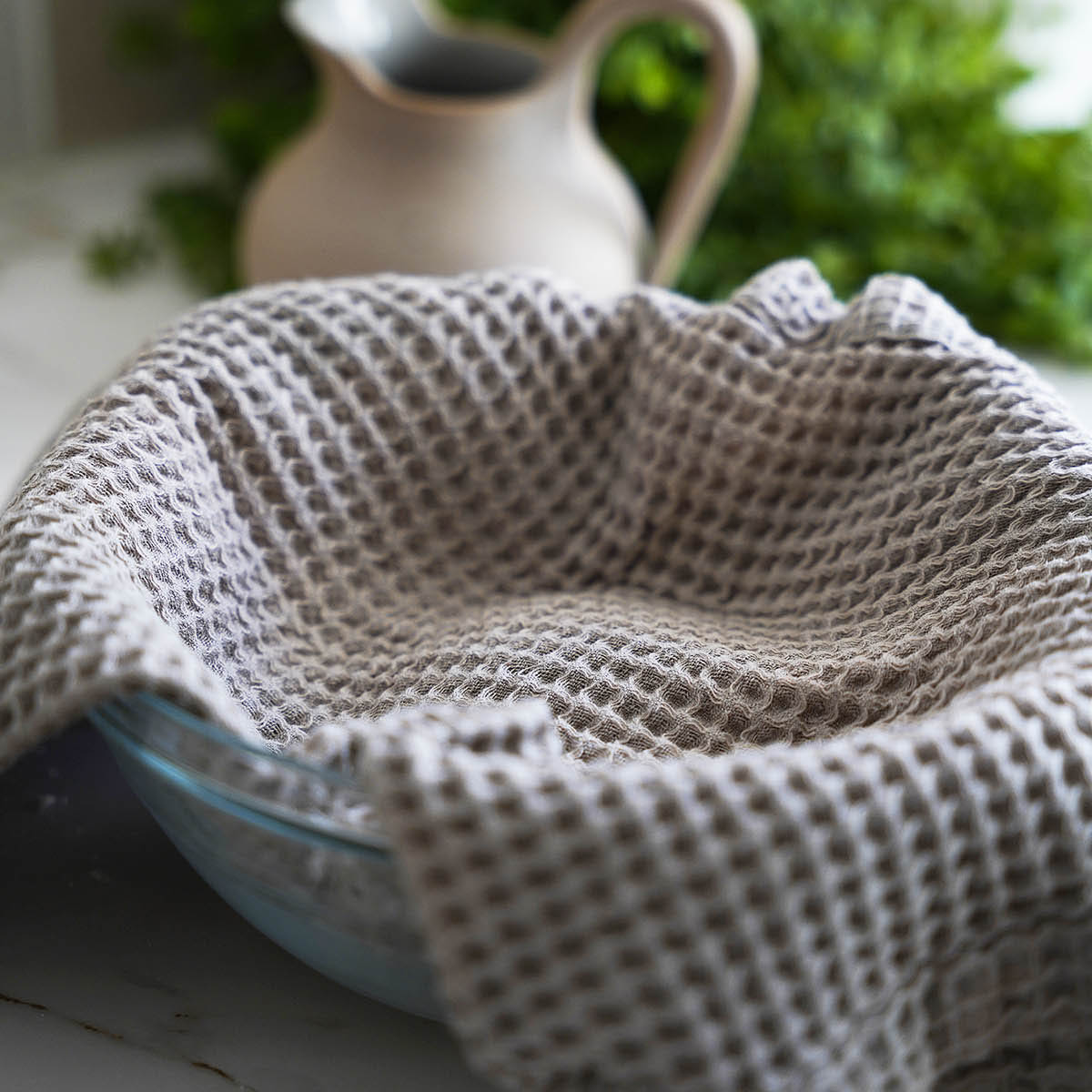
- Place the dough back into the large bowl, cover with plastic wrap or a clean kitchen towel and allow to rest for at least 15 minutes before proceeding.
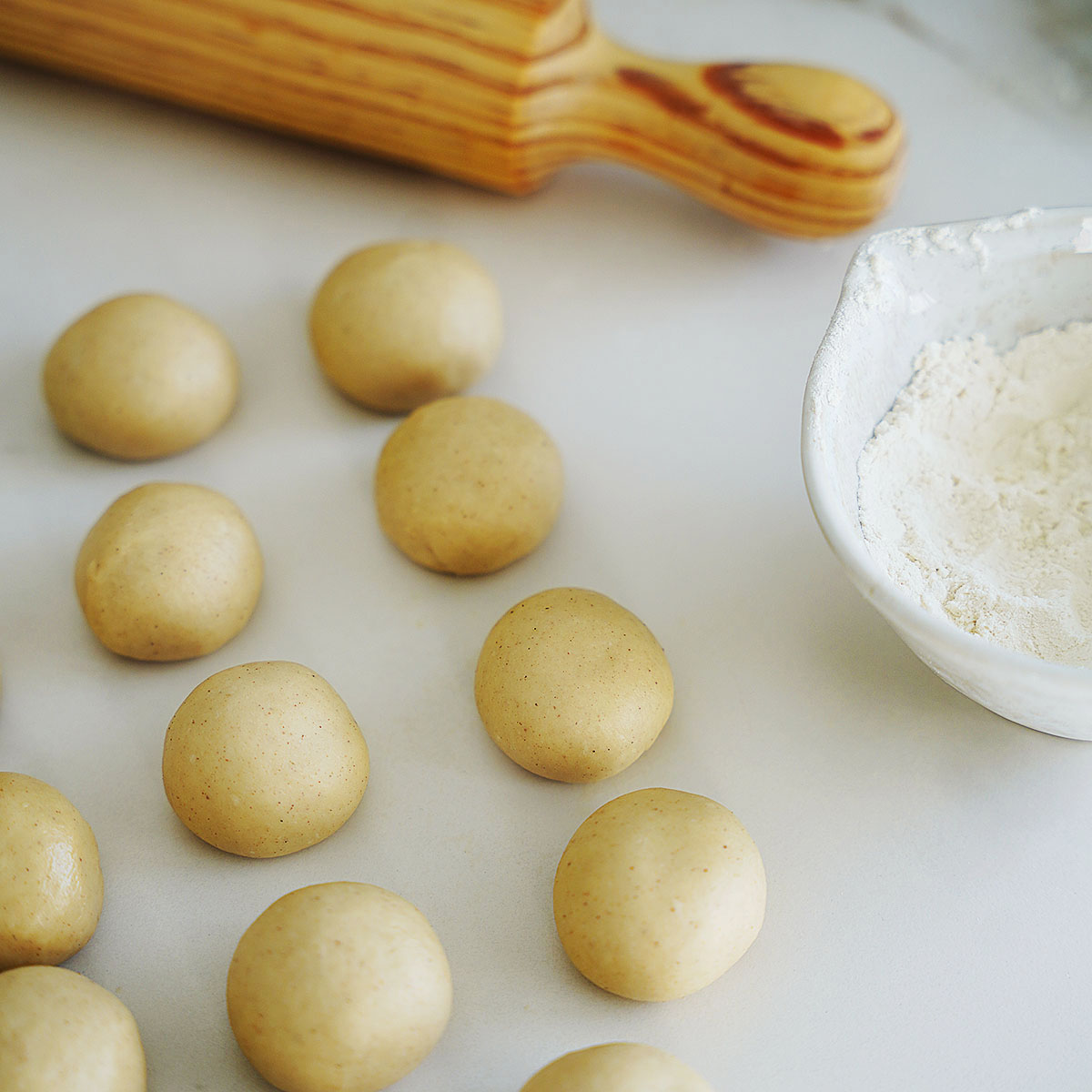
- Form the dough int 14 to 15 equal in size balls, then roll into a smooth ball.

- On a lightly floured surface, roll each dough piece into a rough circle, about 6-7 inches in diameter, until thin and almost transparent. To prevent the disk sticking to the rolling pin, keep the work surface and rolling pin lightly floured.
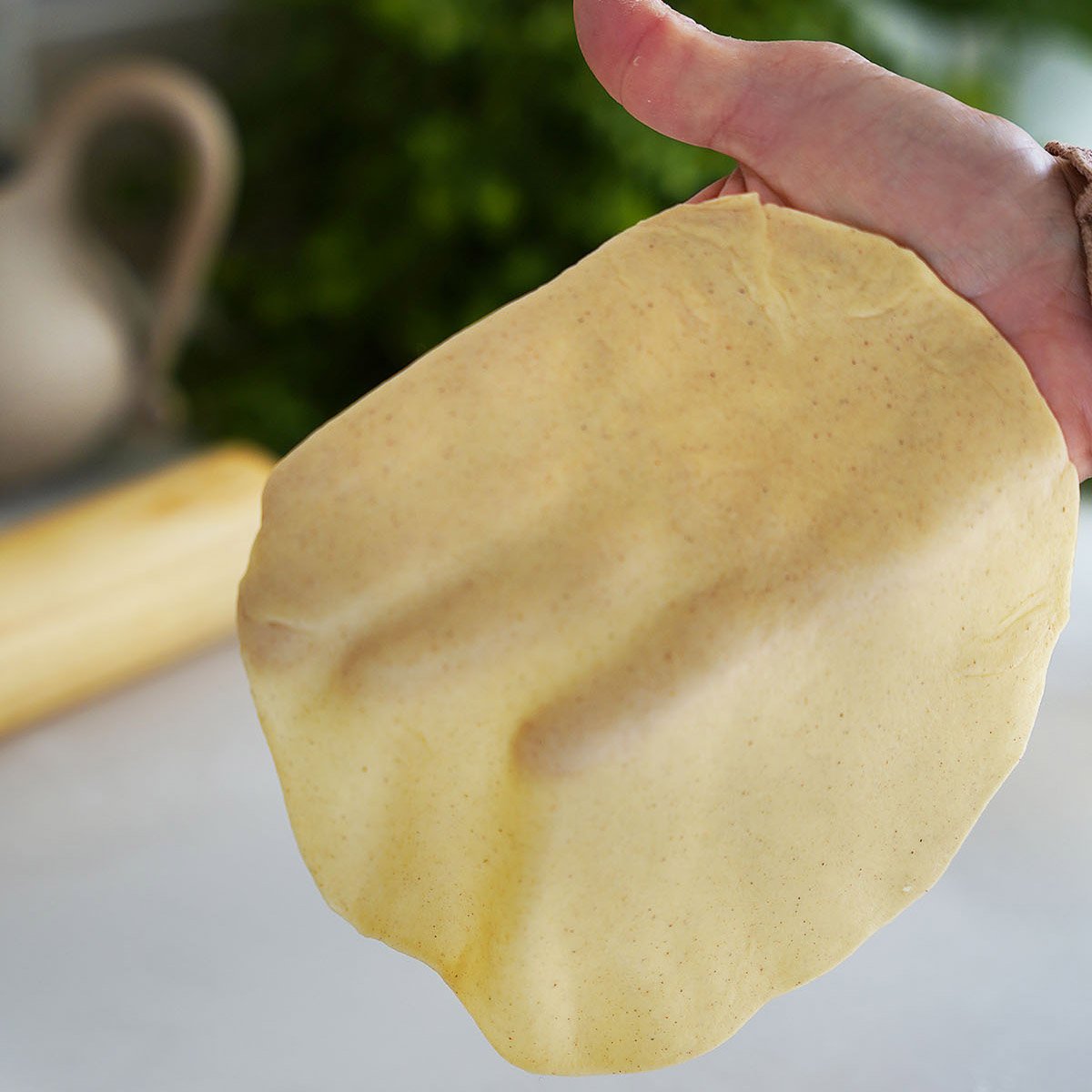
This is how thin the dough looks once it’s rolled with the pin.
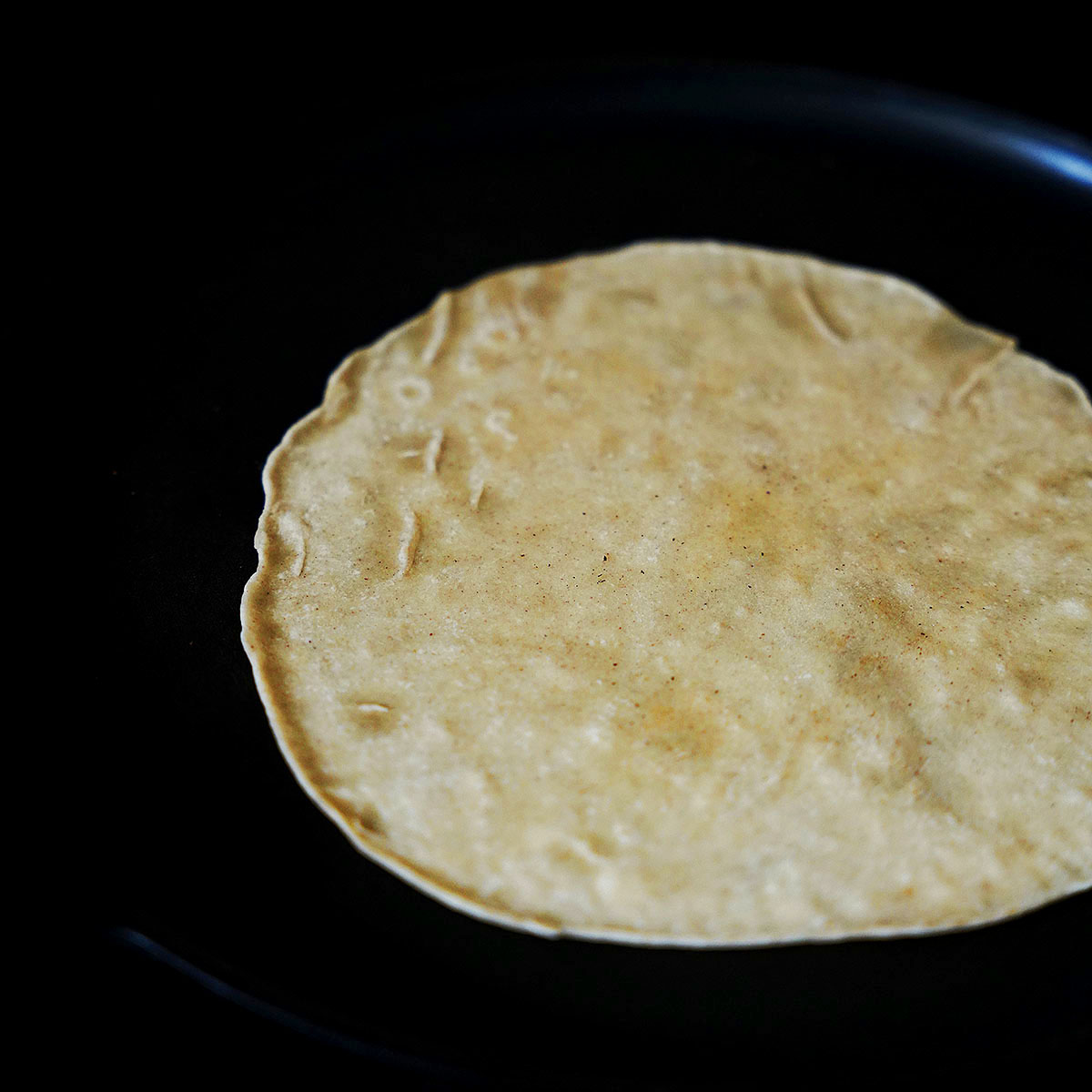
- On a hot skillet or comal, pre-cook the disks for about 10 seconds each side. Set aside and get ready to fry them.
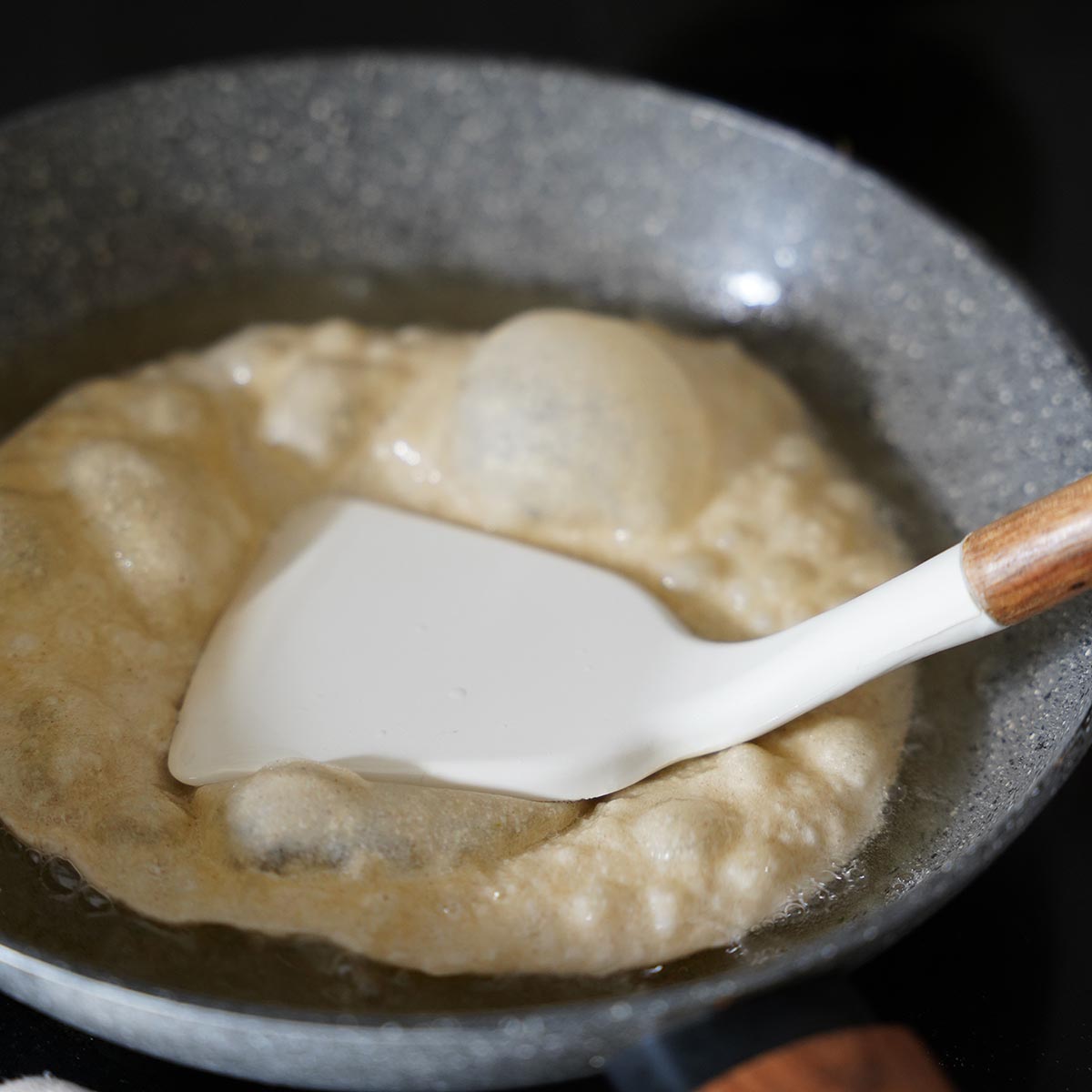
- Heat oil to 350ºF (175ºC) in a deep frying pan (medium-high heat). About 1 inch high.
- When the oil is hot, carefully place each rolled dough into the hot oil. Fry until both sides are golden brown. Use a spatula to flatten the center as you cook them. This will help for them to stay flat.

- Fry until both sides are golden brown. Remove the fried buñuelos and let them drain the excess oil on paper towels.
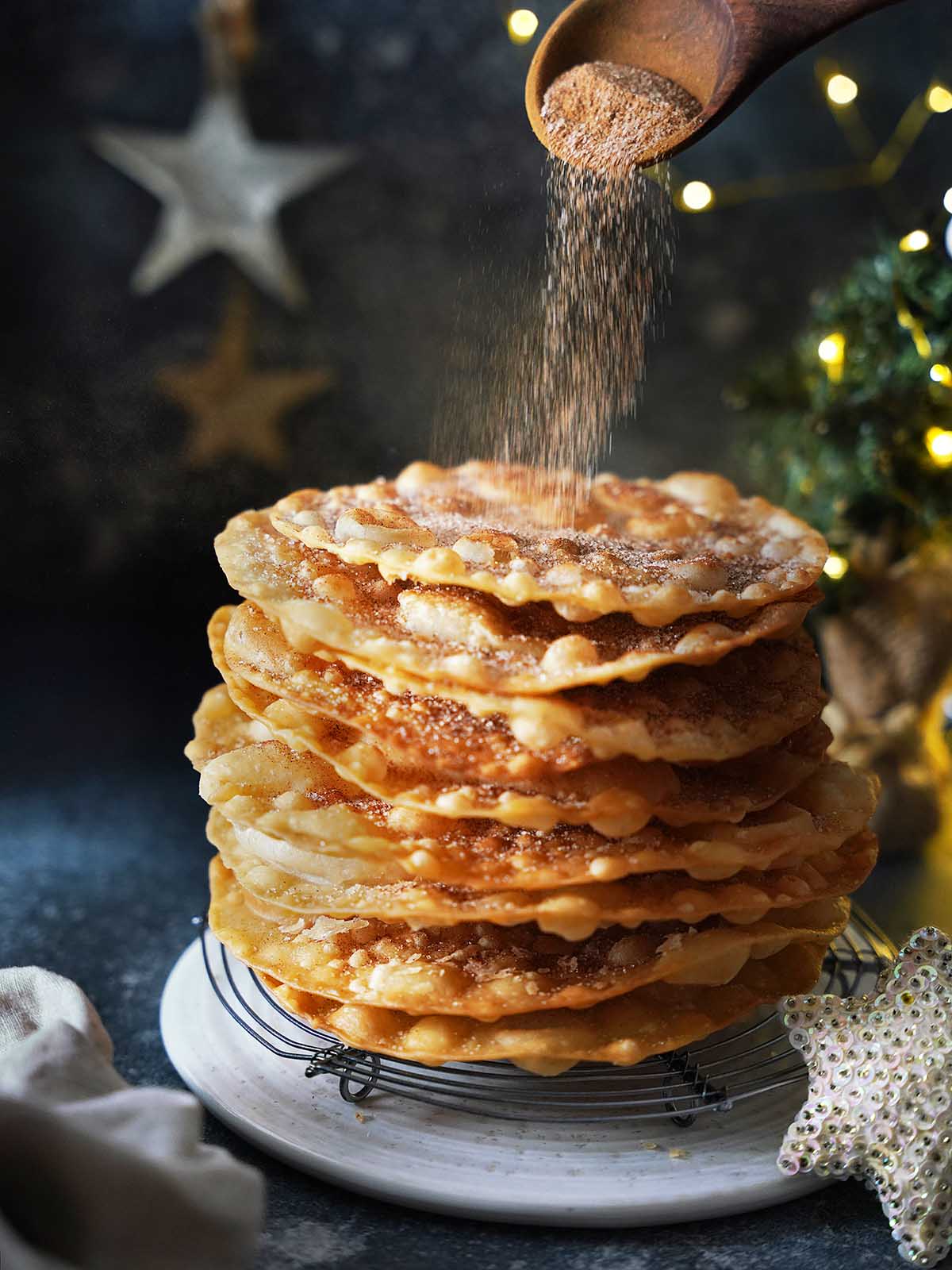
While they’re still warm, coat them in a mixture of sugar and cinnamon.
Ana’s Recipe Tips
- I like to pre-cook them on a hot skillet or comal first for easy frying. They’re easier to place in the hot oil this way.
- Make sure the oil is very hot to fry the dough. Oil at the right temperature, 350°F (175°C), is what keeps these from turning greasy.
- No thermometer? Drop a small piece of dough in first, it should bubble steadily and rise to the surface within a few seconds.
- Fry one buñuelo at the time to keep an eye on it easily. They cook quickly and you don’t want to burn them. Carefully remove them with tongs or two spatulas.
- Always sprinkle them with cinnamon sugar while they’re still warm. It’ll settle on the buñuelos better than if cold.
- STORING: Once cooled, lightly wrap them in plastic wrap, storage bags or large cookie bags. They last up to 3 days and there’s no need to refrigerate. Just keep them wrapped or covered at room temperature.
- For longer storage, freeze the fried, unsweetened buñuelos in a single layer, then transfer to a freezer bag for up to 2 months.
- Reheating: I love to eat mine warm so if you like them like this too, reheat straight from frozen in a 350°F (175°C) oven for 5 to 7 minutes to crisp them back up, then coat in cinnamon sugar as soon as they come out, still warm. Microwaving works in a pinch, but short bursts only, overheating turns them soft instead of crisp.

Serving Suggestions
Buñuelos are often eaten plain, rolled in cinnamon sugar or served with piloncillo syrup. A new trend that is evolving in Mexico, is to eat them with sweetened condensed milk. I tried them with this and they are amazing!
You can also enjoy them with drizzled cajeta or nutella. No matter what toppings you use, this are best enjoyed fresh and warm. Simply take a bite or use your hands to tear off a piece. They’re fantastic with a side of Cafe De Olla.
More Mexican Desserts
Print Recipe:
Authentic Mexican Buñuelos
Equipment
- Frying pan
- Rolling Pin
- Large mixing bowl
Ingredients
- 2 cups all purpose flour (250 grams) + ½ cup to extend the disks.
- ¼ teaspoon baking powder
- ¼ teaspoon ground cinnamon
- ¼ teaspoon table salt
- 3 Tablespoons unsalted butter, margarine or vegetable shortening (45 grams) - at room temperature
- 2 Tablespoons sugar
- 1 teaspoon vanilla extract
- ½ cup hot water
- canola or vegetable oil to fry
- cinnamon sugar (4 tablespoons sugar + 1 ground cinnamon)
- Or top with Piloncillo Syrup if you prefer.
Instructions
- In a large mixing bowl, add the flour, baking powder, salt and cinnamon and mix to integrate.2 cups all purpose flour (250 grams) + ½ cup to extend the disks. , ¼ teaspoon baking powder, ¼ teaspoon ground cinnamon, ¼ teaspoon table salt
- Add the butter to the flour mixture and combine with your fingers until the mixture comes is crumbly.3 Tablespoons unsalted butter, margarine or vegetable shortening (45 grams)
- Add the sugar, vanilla extract and water. Using your clean hands, mix well, until all dry ingredients are incorporated and the dough begins to come together.2 Tablespoons sugar , 1 teaspoon vanilla extract, ½ cup hot water
- Turn dough out onto a lightly floured work surface and knead for 5-6 minutes until the dough is nice and smooth. Place the dough back into the large bowl, cover with plastic wrap or a clean kitchen towel and allow to rest for at least 15 minutes before proceeding.
- Form the dough int 14 to 15 equal in size balls, then roll into a smooth ball.
- On a clean surface, roll each dough ball piece into a rough circle, about 6-7 inches in diameter, until thin and almost transparent. To prevent the disk sticking to the rolling pin, keep the work surface and rolling pin lightly floured.
- On a hot skillet, pre-cook the disks for about 10 seconds each side. Set aside and get ready to fry them.
- Heat oil to 350ºF (175ºC) in a deep frying pan. About 1 inch high.
- When the oil is hot, carefully place each rolled dough into the hot oil. Fry until both sides are golden brown. Note: Use a spatula to flatten the center as you cook them. This will help for them to stay flat.
- Remove the fried buñuelos and let them drain on paper towels. While still warm, coat them in a mixture of sugar and cinnamon.
- Store in an airtight container or wrapped in plastic bags.
Notes
- I like to pre-cook them on a hot skillet or comal first for easy frying. They’re easier to place in the hot oil this way.
Make sure the oil is very hot to fry the dough. If it’s not hot enough, the dough will absorb more oil than necessary. - Fry one buñuelo at the time to keep an eye on it easily. They cook quickly and you don’t want to burn them. Carefully remove them with tongs or two spatulas.
- Always sprinkle them with cinnamon sugar while they’re still warm. It’ll settle on the buñuelos better than if cold.
Your Private Notes
Nutrition
Frequently Asked Questions
Yes. Wrap the dough tightly and refrigerate it, then bring it to room temperature before rolling and frying the next day.
This is the buñuelos de rodilla style, flat disks of a sweetened flour dough, one of several traditional regional versions. Buñuelos de viento, made with a thin batter and a rosette iron, and corn-tortilla-based versions are traditional in other parts of Mexico too. All of them are legitimately buñuelos, just different regional takes.
Buñuelos are thin, crispy, and rolled nearly transparent before frying, meant to be crunchy all the way through. Sopapillas are thicker and puff up in the fryer, with a soft, pillowy inside and a light crisp outside.
History
Buñuelos are a fried food that has a great cultural and culinary tradition in Mexico, it is common to see the pile of this dessert in fair stands, consume them as a snack or make them for posadas or Christmas and New Year dinners.
Its origin dates back about two thousand years ago in countries such as Turkey, Morocco or Egypt, where balls made of fried dough with honey were eaten. This combination emigrated to Spain and became the buñuelos de viento.
Thanks to the cultural exchange that existed during the conquest, this type of preparation reached Mexico and other parts of latin America.
Unlike buñuelos de viento, which are dough balls made of wheat flour, butter and eggs, filled with sweet cream, chocolate or chantilly; Buñuelos in Mexico came only with a base of fried dough, emulating a tortilla.
There is no corner of Mexico that escapes buñuelos: in Baja California Sur, for example, they are prepared with piloncillo honey and guava, in Chihuahua they are eaten with cheese, in Oaxaca they are sprinkled with red sugar, in Chiapas they have a strong flavor orange, in Jalisco they are made from curd and in the shape of a bagel; In Tabasco and southern Veracruz, they are called torrejas, and they are characterized by being rectangular in shape, about 20 cm long and 8 cm wide. And this is how each state gives the buñuelos its special touch.
During these Christmas holidays, don’t forget to eat buñuelos accompanied by a good punch or hot chocolate or coffee. No matter where in Mexico you eat them, buñuelos are undoubtedly a mix of tradition, culture and history, with basic ingredients from the Mexican countryside.


very good recipe. Not to oily
Thank you so much Arushi! I’m glad you liked it.
Did I miss something?? How much of each ingredient do I use??? So lost
Hi Brooke, the ingredients are on the recipe card. You just needed to scroll a little bit more ☺️
These bunuelos were delicious! Thanks for the recipe
Thank you Bertha! I’m so happy to hear you liked them!
These were amazing and so easy to make!
How to make the syrup for bunuelos
Hi Cyndy, the buñuelo’s syrup is the same as this Piloncillo Syrup recipe. Enjoy!
The biggest thank you! 🎊
Thank YOU Carole! I appreciate you stopping by!
Never tried them like this but I will now
This is an easy recipe and I’m sure you’ll love them!
This recipe is Not authentic Mexican buñuelos
That’s true for some regions and families, and not true for others, buñuelos vary a lot depending on where in Mexico (or which household) they come from. This flour-dough version, with a touch of butter, sugar, and vanilla worked in, is the buñuelos de rodilla style.
There’s a second traditional style, buñuelos de viento, made with a much thinner batter and a special rosette-shaped iron dipped in hot oil, common in northern Mexico. Some regions make a corn-tortilla-based version instead of a wheat dough entirely. All of these are legitimately traditional, they’re just different traditions. This one is mine, and it’s the one I grew up eating.
I totally agree with you. The buñuelos recipe is only flour, salt and warm water. 😌that’s why they’re so crispy.😋 Afterwards you sprinkled the plain sugar with ground cinnamon, or dipped in pilloncillo syrup.
Can I mix the dough today and make them tomorrow?
Hi Sara, yes you can!
These are so delicious! And incredibly easy to make – it’s hard not to eat them all at once!
These buenuelos were perfect! Will be making these for my family again.
Thank you, Ali!! so glad you enjoy them.
We all loved these so much! They were so easy to make and so so delicious. Thanks for such a great recipe!
Thank you, Dana!!! so happy you liked them.
Oh, wow. These look so good! I love Mexican food, but I have never had these before. I never even heard of them. They look amazing, and I can’t wait to try them.
Thank you, Beth!! hope you liked them and let me know what you think when you try them.
I hope you like these buñuelos as much as I do! Please leave me a comment or question and I’ll get back to you asap. Stay well! xo, Ana